
The Meaning of Carlota’s Letters
La piel del tamborThis flow traces how the rediscovered correspondence changes from a romantic family relic into evidence about silence, waiting, and the damage caused by control.
increasing Bearing strength in each event
 decreasing
Bearing strength in each eventdecreasingA Letter Written in Hope
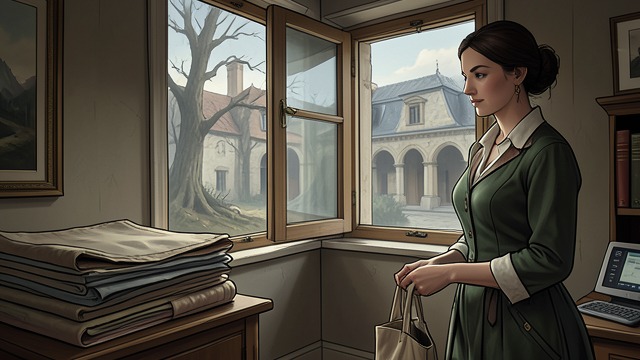
A Letter Written in Hope
A promise renewed
Carlota writes to Manuel Xaloc that she still expects him to return. Her letter describes waiting in the tower and imagines signs that he may already be traveling toward her.
Hope in isolation
The letter’s optimism exists without any reply. Its words reveal both the strength of Carlota’s attachment and the danger of building a life around a message that cannot arrive.
Silence Made Deliberate
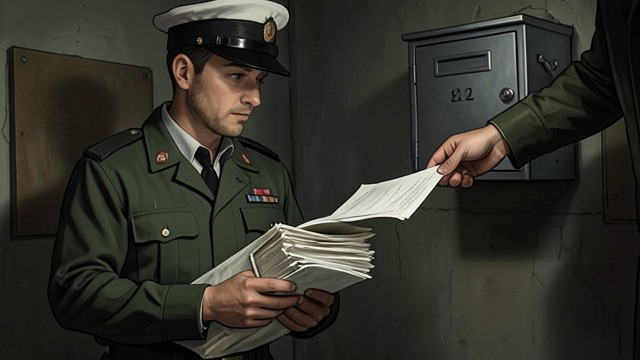
Silence Made Deliberate
Intercepted correspondence
Luis Bruner bribes postal workers to prevent the lovers’ letters from reaching one another. The separation is not simply bad luck; it is maintained by deliberate family control.
The cost of obstruction
The manipulation removes the information both people need to make choices. Their love becomes a story of waiting rather than a relationship that can respond to change.
A Trunk as a Silent Archive
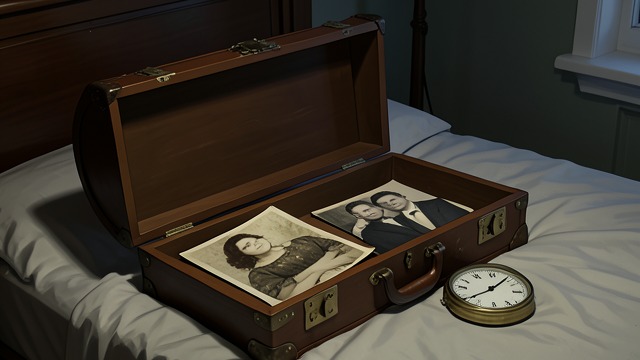
A Trunk as a Silent Archive
The letters remain
Carlota’s unsent letters are kept with her personal possessions. They preserve the history her father tried to conceal, though they cannot provide Xaloc’s side of the correspondence.
Memory without reciprocity
The archive carries only one person’s voice. Its incompleteness turns the trunk into a material record of love, censorship, and the impossibility of knowing everything about the dead.
Quart Reads the Private Plea

Quart Reads the Private Plea
An intimate document
Quart reads a letter in which Carlota begs Xaloc to return, describing a belief that she is dying inside. He feels ashamed to witness words intended for another person.
Emotional understanding
The letter makes the cost of the family’s silence immediate. Quart sees that the postcard and the church are not decorative mysteries but remnants of a life destroyed by withheld truth.
The Postcard Returned
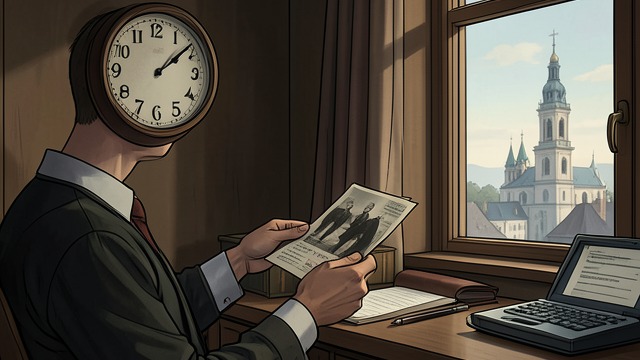
The Postcard Returned
A message across time
After Cruz’s death, Macarena sends Quart the postcard addressed to Xaloc. The message was never mailed, but it reaches a reader more than a century later.
A partial answer
The postcard cannot return the lovers to one another. It lets Quart understand why memory matters to Macarena and why a small object can outlive the people who gave it meaning.
April 1896, during Carlota’s years of waiting
through the six years after Xaloc leaves
after Carlota’s death in 1910
during the night Macarena opens the trunk
winter, months after Quart leaves Seville
